














|
|
|
|
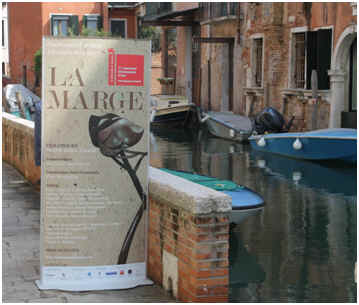
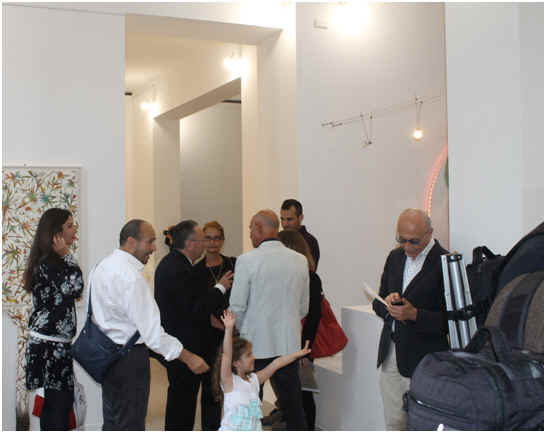
57th International Art Exhibition - Venice Biennale
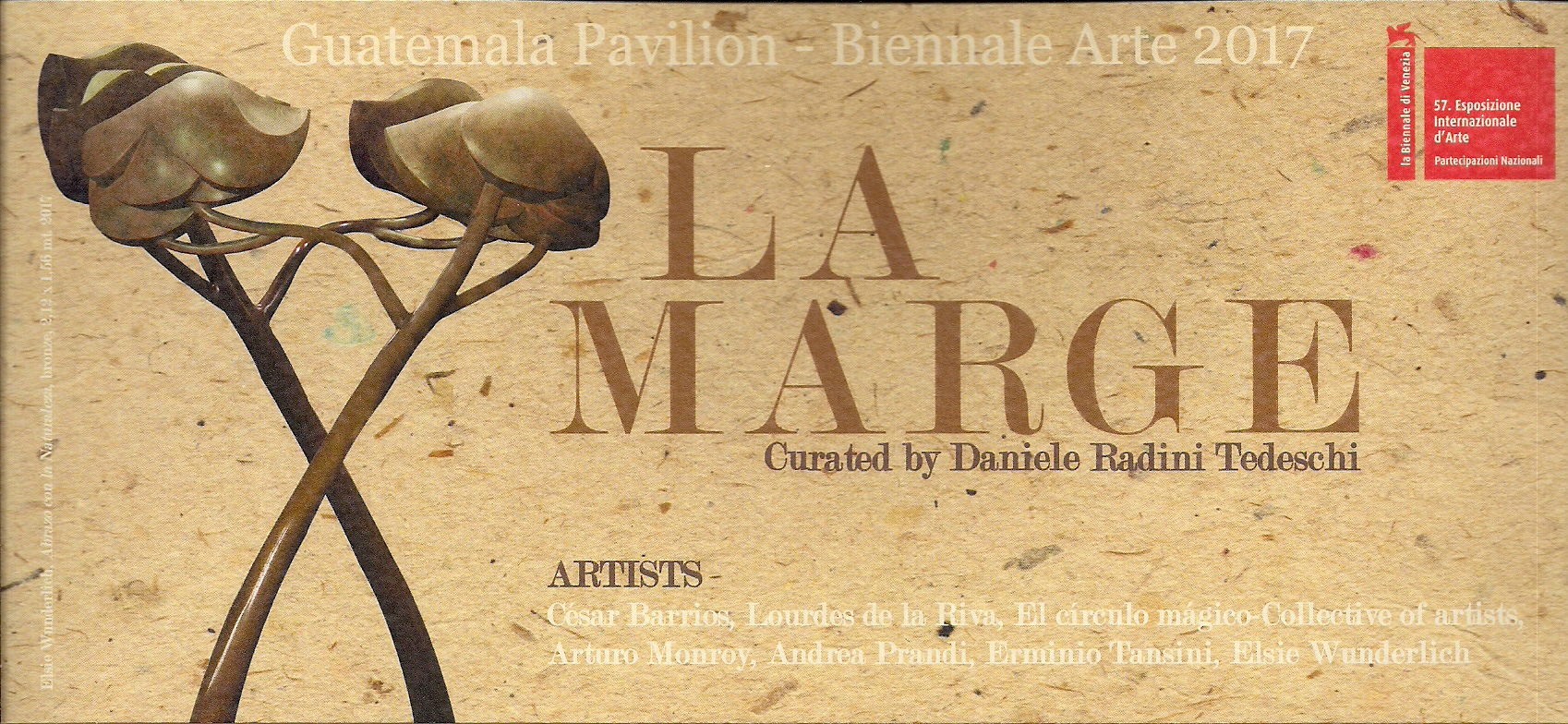
Exhibition entitled "La Marge", text of Daniele Radini Tedeschi
Palazzo
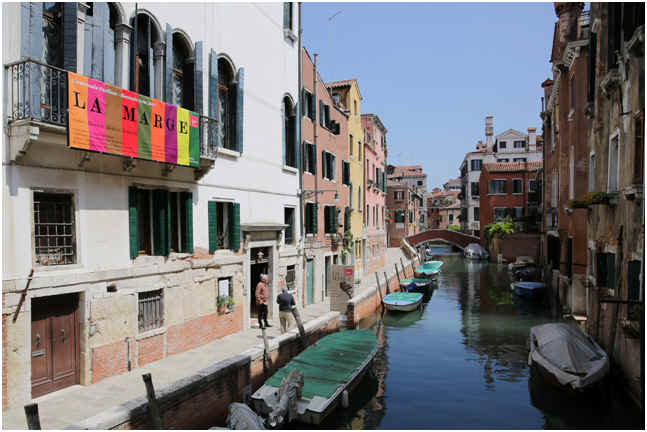
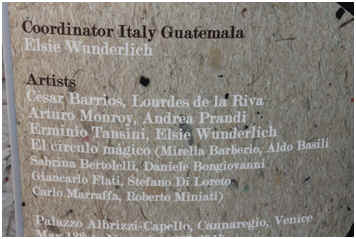
Albrizzi Capello is home to the 57th International Art Exhibition - Venice
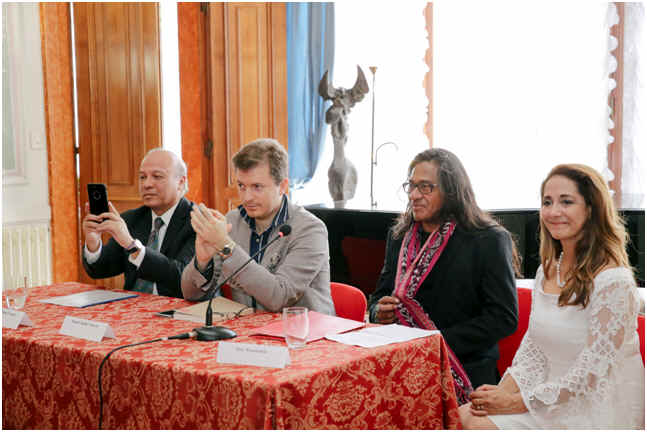
Biennale, The artists who exhibited at the 57th International Art Exposition - Venice Biennale
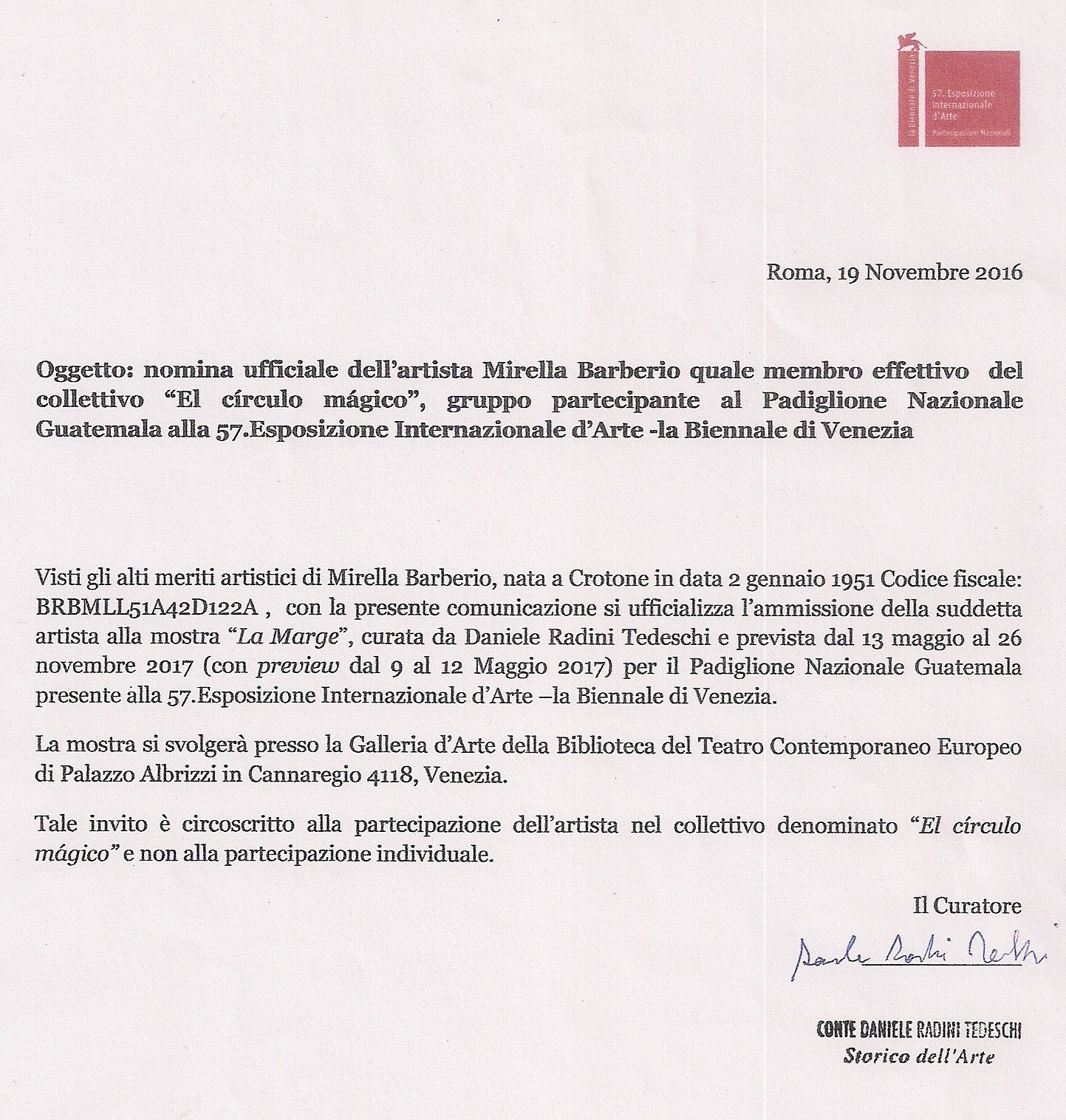
Official Appointment of the Artist Mirella Barberio as Actual Member of the Collective 'El círculo mágico'
“Oltre
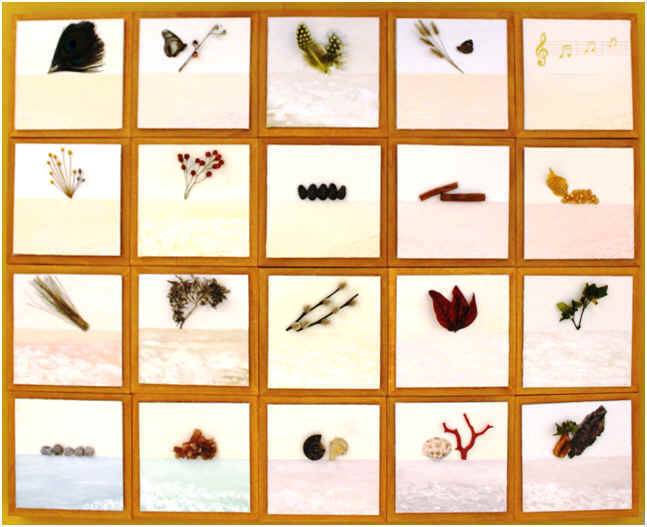
il margine”, 2017
-
Olio su tela e materiali vari, cm.
69 x 86,5 x 4,5.
“Over
the edge”, 2017 -
Oil on canvas and various materials, cm 69 x 86,5 x 4,5
Descrizione
dell'opera Premessa – L’opera va esplorata partendo dalla componente posta in basso a
sinistra e, viva via, sino all’ultimo comparto a destra contenente il
pentagramma e le note dorate indicanti il confine tra immanenza e trascendenza
dall’uomo superato. Il progetto culturale “La
Marge”, è stato concepito per ideare opere che esplorino il nesso tra
realtà materiale e spiritualità, pertanto ho elaborato la seguente
riflessione. La scienza attuale, parte di un contesto
culturale più ampio e articolato, induce a pensare che l’Universo sia un mare
le cui onde siano generate da campi di quanti, i quali, con forze immani e senza
sosta, collidono: attività possente che modella la materia, la quale evolve adottando le regole di mutamento
geometrico-matematiche. Per elaborare il significato, ho posto l’attenzione anzitutto sul fatto che sì
in Natura, maestra severa ma anche cornucopia per l’Umanità, la materia
procede da forme atomiche “elementari”, scegliendo un preciso ordine (es.
sezione aurea, simmetria, ecc) e, via via, va verso altre più complesse,
colorate, incantevoli, atte a coinvolgere i sensi dei viventi, quasi infondendo
in essi un’“estetica naturale”; dipoi,
però, ho considerato il fatto che
queste forme, nonostante appaiano così affascinanti da ispirare l’estasi,
sollecitano con forza l’esigenza
di varcare il confine percepito tra l’immanenza,
che esse rappresentano e la trascendenza
intesa nel suo originario senso di “salire al disopra” dei fenomeni captati dai
sensi. Seguitando, ho correlato
il significante al significato,
attuando un percorso estetico punteggiato da vari materiali ─ frammenti di
rocce: simboli della materia
“grezza” primigenia; conchiglie:
simboli e della geometria universale (es. la conchiglia del Nautilus
sviluppatasi in virtù della sezione aurea) e dell’apparato genitale
femminile, fonte di vita; corallo: simbolo
dell’Albero asse del Mondo, dell’Acqua
origine del Mondo, del Rosso-sangue
tramite di vita e di generazione; ambra: fonte d’ispirazione per diversi miti (es.
le sorelle di Fetonte che, trasformato da Zeus in albero, piangono ambra); lacerti
di piante di varie essenze, fonti primarie di cibo, di materiali, di
strumenti, di sostanze chimiche vitali; fiori:
simboli del sole; semi: quello del mais (Zea mays) simbolo di vita, e quello del cacao simbolo del cuore
umano reciso durante i riti sacrificali; piume
di pavone: simboli, presso molte culture, della nascita, di una nuova
crescita, della longevità, dell'amore, della primavera e di concetti complessi;
farfalle, simboli tanto della
speranza di ascendere dalla condizione terrestre alla luce,
quanto della morte; in
Giappone una
farfalla indica la donna giovane, due farfalle che danzano raccontano la
felicità coniugale; in Cina manifestano l’incanto dell’innamorato, oppure
l’amata morta che sale al cielo; in Messico sono simboli del dio della
vegetazione Xochipilli, quindi simboli del fuoco sfavillante collegato col sole,
e, infine, del viatico quando sono dipinte in rosso sulla schiena del defunto;
in lingua Atzeca si chiamano “papalotl”, un vocabolo assai simile al Latino
“papilio” e rivelano tanto la dea Itzpapalot, spirito delle stelle, quanto
le anime delle donne morte di parto; cannella:
pianta consacrata al sole ed era
considerata divina al pari della mirra e dell'incenso; oro:
che, secondo molte culture, è
anzitutto ritenuto come simbolo, poiché,
come ogni metallo, è estratto, quindi legato alla creazione e alla
trasformazione, ed è rapportato all’essere umano il quale dev’essere
purificato, secondariamente perché era pensato resistente al tempo,
inossidabile, più lucente dell’argento, più prezioso del bronzo, quindi
associato alla catarsi che conduce l’uomo alla verità eterna e, infine,
associato al fuoco della vita, ed anche alla purezza del pensiero e della parola
─. La lettura dell’opera, deve
avvenire dal basso verso l’alto, per cogliere, nella parte conclusiva, lo
sforzo attuato per superare lo iato avvertito proprio tra natura e
sovrannaturale: una ansiosa urgenza dovuta all’ominazione percipiente, che è
comunicata qui tramite la scrittura musicale in oro, una sintesi tra suono e luce: i
suoni sono simbolici giacché pensati come generatori invisibili
dell’Universo, del naturale ritmo del cuore, del melodico soffio del
vento e, infine, come stimolatori della psiche umana, esplicantesi in una varia
gamma di emozioni, di visioni oniriche, di intuizioni poetiche, che stimolano il
potere creativo del’individuo teso a “dialogare” col sovrastante Mondo; la
luce, la quale recepita alla nascita, con vigorosa emotività, diviene poi
altamente simbolica: luce, φῶς (phos) che in greco significa pure "rendere manifesto",
dagli albori è divenuta simbolo dato che è stata pensata come fonte fisica e
metafisica di chiarore spirituale. Queste materie, usate in molte culture, per produrre monodie e polifonie
contemplative o icone od oggetti assai simbolici, sono, dunque, tra le vie più
pregnanti per marcare il tentativo di pervenire al Senso Ultimo del viaggio intrapreso dall’Umanità tutta. Description
of the work Introduction
- The work should be explored starting from the component placed in the lower
left and, living on, until the last segment on the right containing the
pentagram and golden notes indicating the boundary between immanence and
transcendence man passed. Culture
project ‘La Marge’ is designed to foster art concepts that explore the nexus
between material reality and things of a spiritual nature.
As part of a wider, more articulated cultural context, contemporary
science suggests that the Universe is an ocean whose waves are generated by the
uninterrupted collision of huge quantum fields: this powerful activity models
matter, that evolves in accordance with the rules of geometry and mathematics.
We may hence argue that, in Nature, a severe master and a store of abundance for
humankind, matter proceeds from elementary atomic forms, choosing a precise
order, e. g. geometry’s golden ratio or symmetry, to increasingly complex,
colored, enchanting patterns, apt to involve the senses of the living, as if to
infuse them with a natural aesthetics; also, we may argue that while their
apparent fascination is such that it inspires ecstasy, these configurations work
powerfully to cause the mind to surpass its perception of a boundary between
immanence, which they represent, and transcendence, intended in its original
Latin meaning as scandere, or climbing above, beyond the experience of
the senses. Consistent with this discussion, my work correlates signifier/signifiant
and signified/signifié in an aesthetics punctuated by various materials:
rock fragments, as symbols of primogenial raw matter; shells, as simbols of both
the geometry of the universe, e.g. the golden ratio based development of
nautilus shells, and of female genitals, the origin of life; coral, a symbolic
axis mundi, or world tree, associated with ocean water, the origin of the world,
and red, the color of blood that is life giving and a determinant of lineage;
amber, mythologized in ancient symbolic narration, e.g. the sisters of Phaeton,
transformed by Zeus into the tree, crying amber; fragments of plants, a primary
source of nourishment, materials, tools and vital chemical substances; flowers
as symbols of the sun; seeds, including corn, or Zea mays, a symbol of life, and
cocoa, or the symbol of human heart, severed from the body in ritual sacrifices;
peacock feathers, complex cultural symbols associated with birth, new growth,
longevity, love, springtime; butterflies, a symbolization of hope as the human
aspiration to ascend from a terrestrial condition to light, and of death: in
Japan, a butterfly epitomizes female youth, while two butterflies dancing tell a
story of conjugal happiness; in China, butterflies are recognized as a visual
expression of the enchantement of love, or as a representation of a dead lover
ascending to the sky; in Mexico, butterflies symbolize Aztec god of flowers
Xochipilli, and the sparkling of fire associated with the sun; butterflies are
also painted in red on the back of dead people’s bodies as a provision and a
blessing on their journey; quite similar to the Latin term papilio, the
Aztec word for butterfly is papalotl, identifying both goddess
Itzpapalotl, or the spirit of shining stars, and the souls of women dead after
childbirth; cinnamon
was a consecrated plant in the sun and was considered a divine plant like myrrh
and incense; gold,
in its primary symbolism as a metal, mined and extracted, hence associated with
the act of creating and processing, also central to purification rituals; valued
for its durability, resistance to tarnish and corrosion, more lustrous than
silver, more precious than bronze, gold is associated with the catharsis that
leads man to eternal truth, with fire as an essential element for life and with
purity of thought and speech. A
bottom up approach is fundamental to understanding my work, as I have finally
tried to move beyond a perception of the hiatus between nature and the
supernatural: a sense of both urgency and anxiety vis-à-vis the perception of
hominization, communicated through musical notation in gold paint, a synthesis
of sound and light: sounds are symbols as I have conceived them as invisible
generators of the universe, of the natural rhythm of the heart, the melody of
the wind blowing and, finally, as stimulators of the human psyche, manifested in
a wide range of emotions, dreamlike visions, poetic intuitions that stimulate
individual creativity as it engages in a dialog with the World above; light as
we receive it at birth, in the vigor of emotions becomes highly symbolic: light,
φῶς
in Greek, which also means ‘to make apparent’, has been a symbol since early
in human culture in that it has been thought of as a source, both physical and
metaphysical, of spiritual clarity. Used in many cultures to produce
contemplative music in the form of monodies and polyphonies or icons and other
very symbolic objects, these materials are increasingly rich in implication to
enable the endeavor to attain the ultimate purpose of the journey of Man.
Copyright
© 2002 luciano severino, tutti i diritti riservati |
|
|